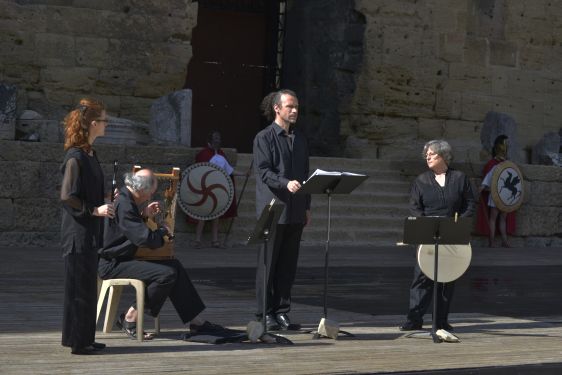
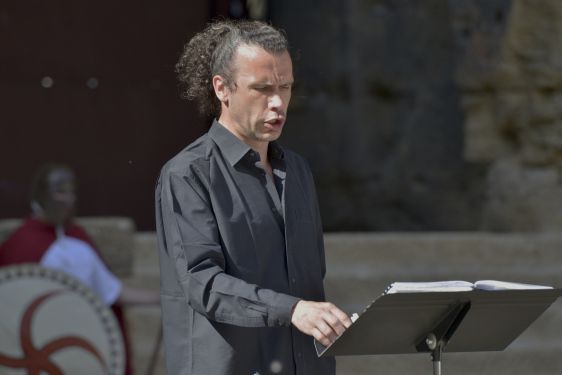
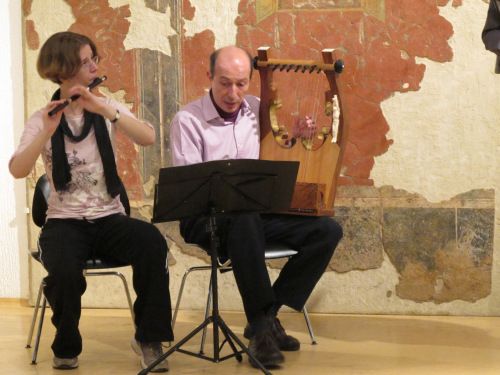
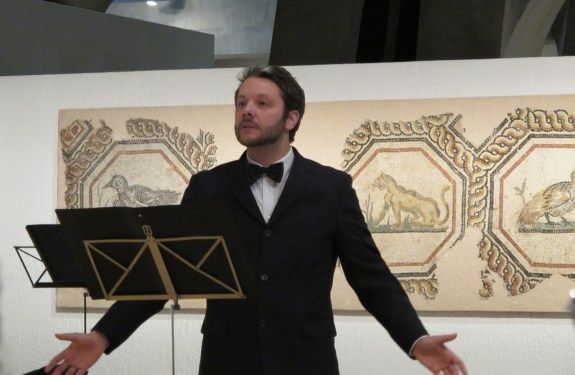






The Ensemble Kérylos produced a recording in two volumes of the complete works from Ancient Greek and Roman Antiquity currently known, in a way both faithful and enjoyable.
These two volumes are available on major streaming services.
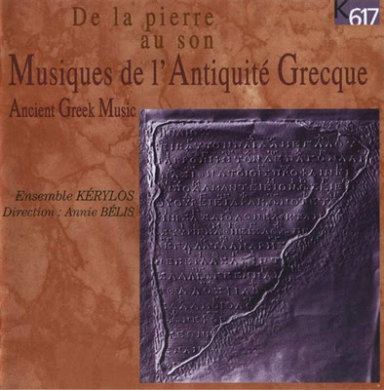
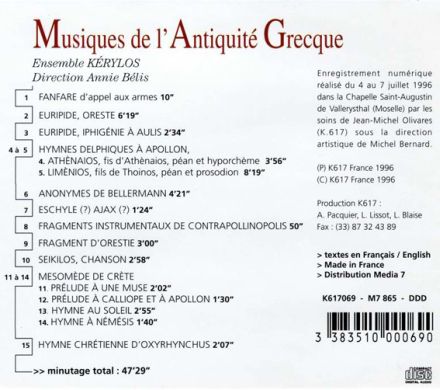
The first volume, D’Euripide aux premiers chrétiens, gives a renewed performance of the works that were already on 1996 recording, "De la pierre au son". A new work joins this first volume: it is the Paean to Apollo by Mesomedes of Crete, one of the most famous musicians of the second century A.D.The second volume, Les Inédits, contains works never recorded before. It includes extracts from plays written by the most famous Greek poets and composers, Aristophanes, Sophocles, Carcinus the Younger, and also hymns and magic incantations, instrumental or vocal.
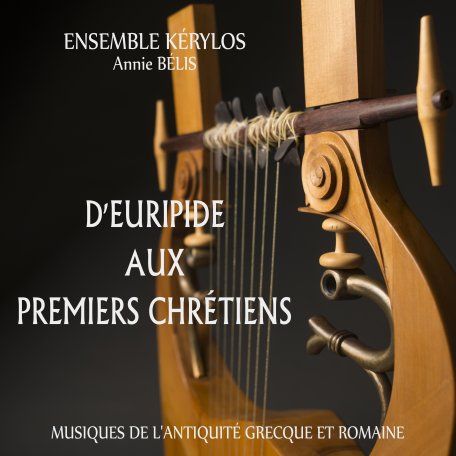
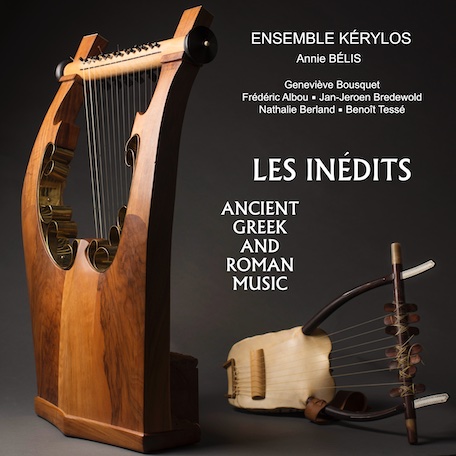
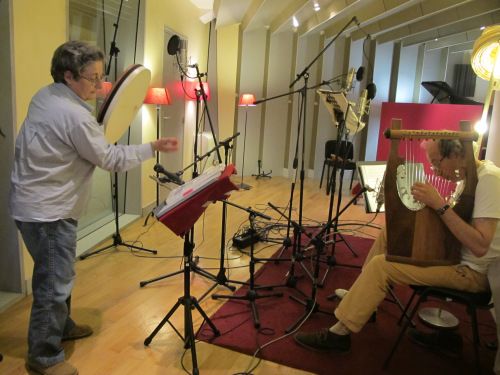
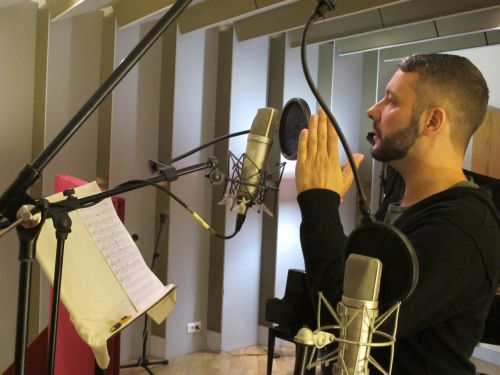
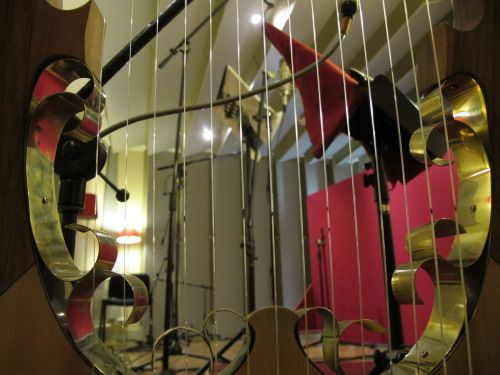
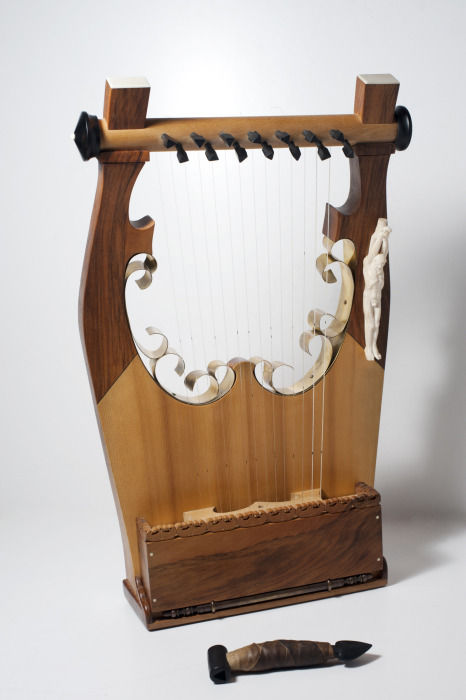
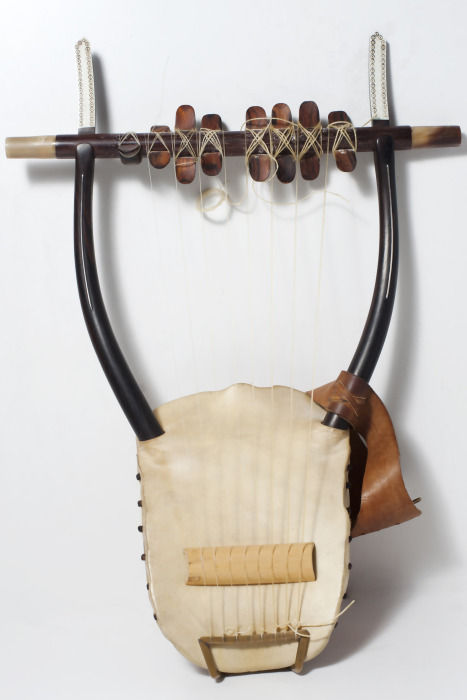
Direction: Annie Bélis. Recording Director: Sylvain Leclerc. Recorded in october 2014 at Studios de la Seine, Paris. Sound engineer: Sylvain Mercier; assistant: David Galstanian. Mastering: Bruno Gruel. Jackets: photographies of the Greek kithara, the Roman kithara and the Eight-Stringed Lyre of the Ensemble Kérylos by Patrick Gaillardin.
L’Ensemble Kérylos brille d’un certain talent orphique pour redonner vie à ces mélopées. Ici, les soli, chantés ou déclamés, le chœur, les jeux instrumentaux nuancés proposent une relecture qui tend vers une certaine universalité. Une gravure unique et inouïe, qui nous plonge dans les mythes de nos racines les plus fascinantes.
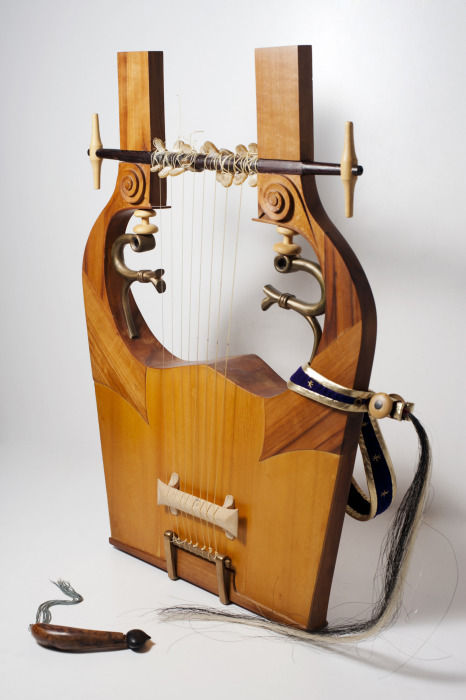
and plectron (5th century BC), by Jean-Claude Condi under scientific direction of Annie Bélis.
and plectron (2nd-3rd century AD), by Carlos Gonzalez under scientific direction of Annie Bélis.
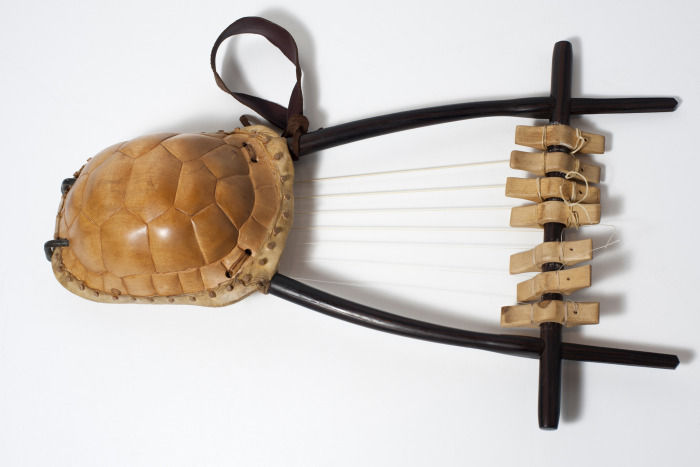
(5th century BC), by Jean-Claude Condi under scientific direction of Annie Bélis.
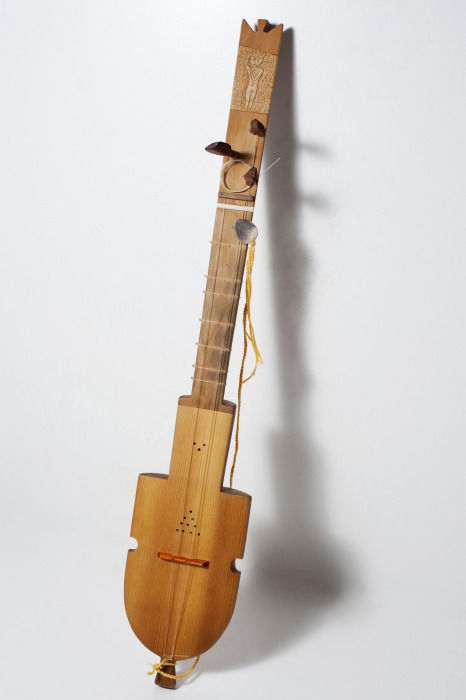
(5th century BC), by Jean-Claude Condi under scientific direction of Annie Bélis.
(2nd-3rd century AD), by Carlos Gonzalez under scientific direction of Annie Bélis.
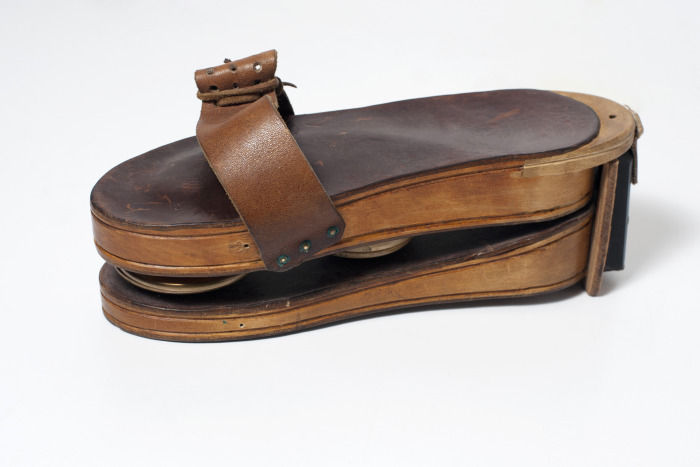
(Greek and Roman period), by Jean-Claude Condi under scientific direction of Annie Bélis.
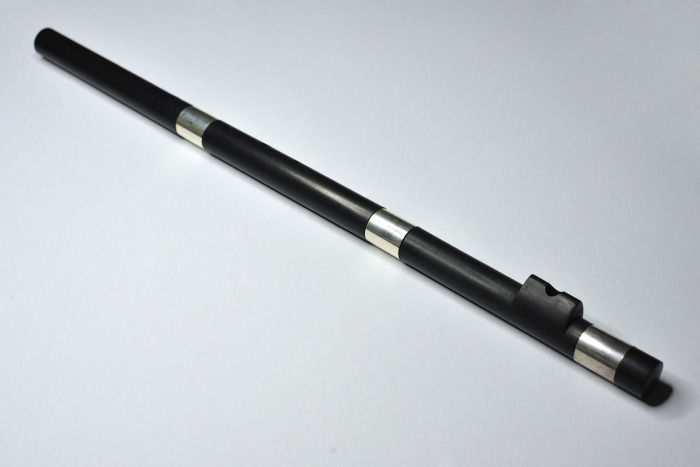
(from 5th century BC to 2nd century AD), by Jean-Claude Condi under scientific direction of Annie Bélis.
Davide Bastianelli, trompette
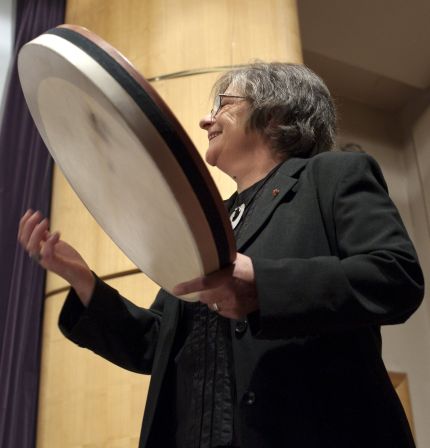
Mireille Bélis, lyre, kithara, kroupeza
Jérôme Corréas, bass-baritone
Fabienne Ringenbach, lyre
Jean-Claude Condi, kithara
Antoine Dubois, kithara
Carlos Gonzalez, kithara
Emmanuel Leclercq, bass
Benoît Riou, bass-baritone
Brigitte Robustelli, soprano
Mabel Ruiz, luth
Marie-Hélène Thuillier, lyre, kithara and soprano
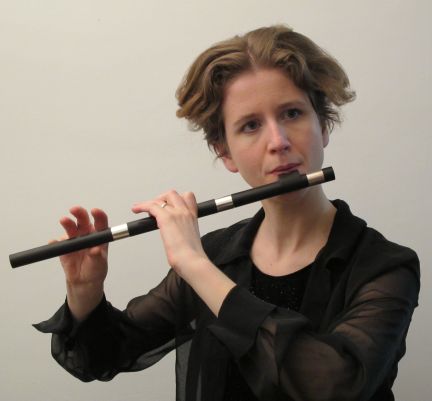
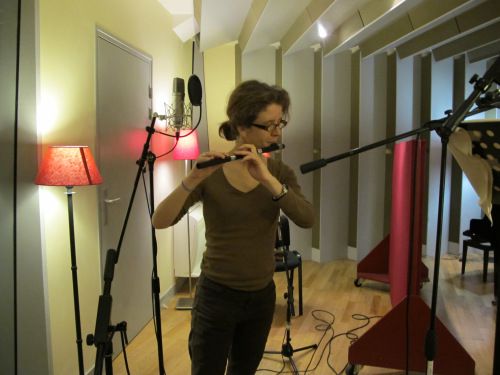
Robert Thuillier, transverse aulos
Sylvie Tournon, transverse aulos
Guurtje Van Kooten, lyre
Céline Verwaerde, lyre
Chœur d'hommes et de femmes de l'A.L.A.M. (Metz)
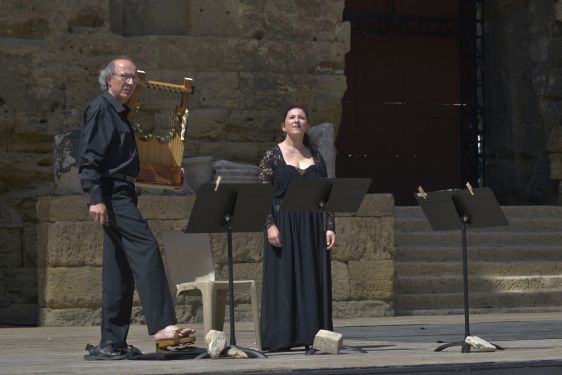
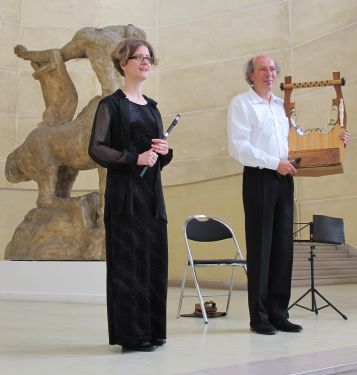
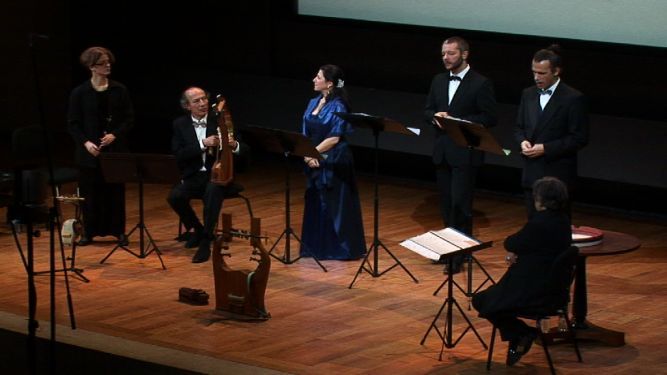
Founded in 1990 by Annie Bélis, a world-renowned specialist in Ancient Greek and Roman music, the Ensemble Kérylos focuses exclusively on performing the vocal and instrumental scores that have survived from that period.
What marks out the Ensemble Kérylos is its scientific and artistic high-level quality: for years it has endeavoured to revive a magnificent but still very little known musical repertoire, as faithfully as possible, so that scores which had not been played for more than 15 centuries could be brought back to life again.
All the scores interpreted by the Ensemble Kérylos are authentic: they come from extant inscriptions and papyri, which are deciphered, through hard, methodical labour, by Annie Bélis and her team of researchers. Besides works which have been known for many years, such as the excerpt from the chorus score from Euripides’ Orestes, the Seikilos Song or the two Delphic Hymns to Pythian Apollo, the Ensemble Kérylos brings back to life musical works which have just been deciphered and are amazingly beautiful and transporting: an unbelievable, and hilarious, excerpt from Aristophanes’ Birds, a paean by Mesomedes of Crete, Emperor Hadrian’s favourite composer, an extract from Carcinus’ Medea, a magnificent anonymous paean to the stars, etc.
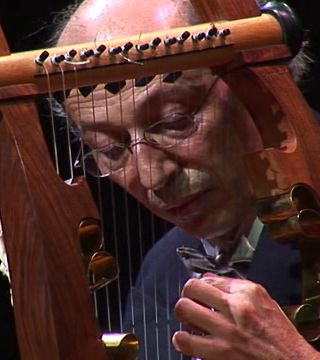
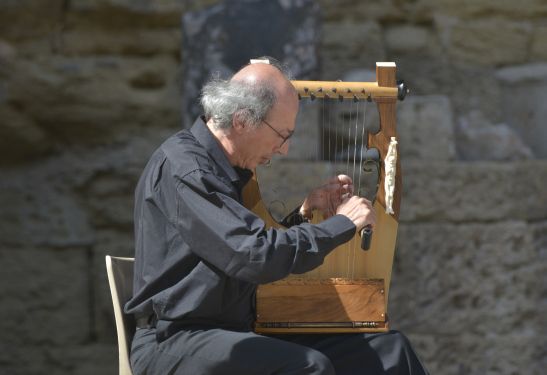
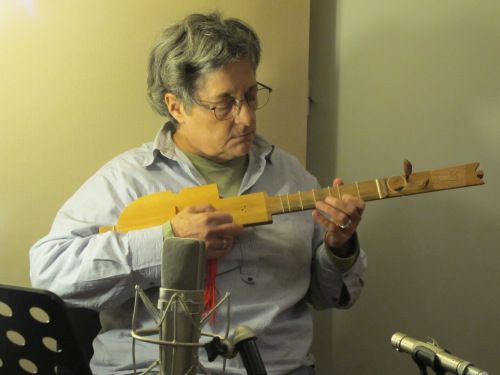
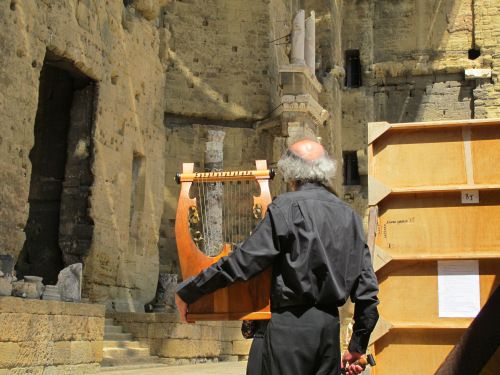
The lyres, kitharas, wind instruments and percussions played by the Ensemble Kérylos have been rebuilt on strict archaeological reference (iconography and fragments from instruments found during archaeological excavations). They are the result of a long and thorough work that has required close cooperation between Annie Bélis and French and Spanish luthiers Jean-Claude Condi and Carlos Gonzales.
The interpretation of the musical pieces is based on the aesthetical principles prevailing in ancient times, as far as we can know them from the extant theoretical texts.
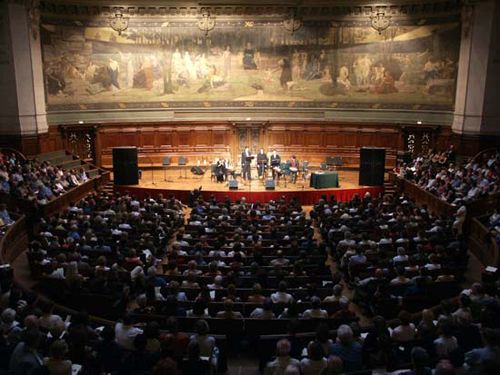
Among the many concerts that have introduced the Ensemble Kérylos to a large audience, one can mention the concerts in Spain, Brazil, Greece (at the Ancient Theatre at Delphi, 1992), in Poland (concluding concert for Crakow Capital of Europe Culture festival, 2000), in France (at the Sorbonne’s Grand Amphithéâtre, 2004; at the Louvre’s Grand Auditorium, 2011).
In 1996, the Ensemble Kérylos recorded the CD “De la pierre au son: musiques de l’Antiquité grecque et romaine”, which won critical acclaim and medals as a result of the beautiful and accurate performance. Since then, the repertoire has largely expanded, several new scores being deciphered. But many of these works, such as the excerpts from Aristophanes’ Birds or Carcinus’ Medea, cannot yet be heard, unless you attend live performances of the Ensemble Kérylos. A new recording was made, the first part of which was released in June, 2016.